
What Is an Employee Buyout? An employee buyout (EBO) is when a company offers its employees financial incentives to leave the company. This is often…
Human Resources
Human resources management is a critical function for any organization as the right people in the right place can make a huge difference. All HR related articles are covered this category.
Employee: Definition, Types & Meaning

What Is an Employee? An employee is a person who works for an organization in exchange for compensation. Employees perform various tasks and duties assigned…
Employee Advocacy: Definition, Importance, Types and Examples

What is Employee Advocacy? Employee Advocacy is when employees use their social media platforms to share positive content about their employer. This can be in…
Employee Branding: Definition, Importance & How to Build it?

What Is Employee Branding? Employee branding is the ongoing process of promoting and communicating a company’s employment brand to both current and prospective employees. Its…
Employee Discount: Definition, Types and Examples

What is Employee Discount? An Employee Discount is an exclusive discount offered to employees by their employers and involves a reduction in the price of…
Employee Evaluation: Definition, Template and How to Conduct it?

What is Employee Evaluation? Employee evaluation is a performance review process where employers provide feedback to employees about their performance at work. Employee evaluation is…
Employee Morale: Definition, Importance & How to Improve It?

What is Employee Morale? Employee morale is the overall outlook, attitude, satisfaction, and emotions of employees in the workplace. Employee morale is important because it…
Employee Poaching: Definition, Ethics and Strategies

What is Employee Poaching? Employee poaching is the act of recruiting someone who already works for another company. This can be done by offering the…
How to Calculate Employee Turnover Rate?
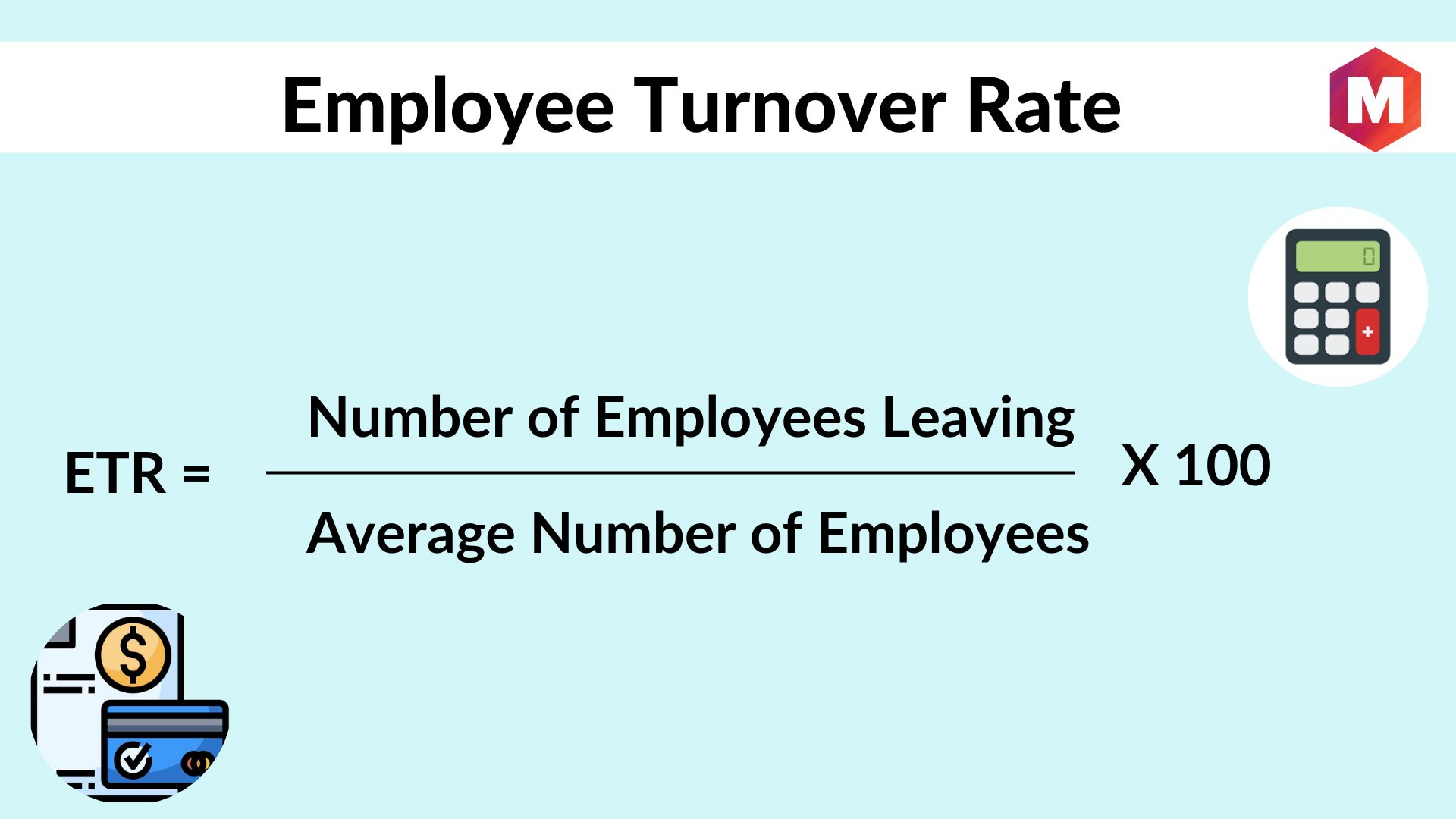
What is Employee Turnover Rate? Employee turnover rate is the rate at which employees leave an organization. A high Employee turnover rate can be a…
Who is an Employer? Duties & Responsibilities

Who is an Employer? An employer is a person or organization that hires employees. Employers may be businesses, governments, non-profit organizations, or individuals. An Employer…
Employment: Definition and Meaning in Human Resources

What is Employment? Employment is a connection between two parties, often based on a contract for which work will be paid, in which one party…
Characteristics of Culture

Culture is an integral part of our lives and can be found in every corner of the world. Our own culture reflects our identity, values,…
Job Promotions: Definition, Types and Objectives

When an employer believes in the aptitude of one of their employees, they may reward them with a job promotion – often accompanied by improved…
Intrinsic Rewards: Definition, Examples, Types & Advantages

Internal rewards come from within, giving us a unique and exclusive feeling of success. They are emotional fulfilments that arise as we gain accomplishments, advance…
e-HRM – Definition, Types, Role and Advantages

What is e-HRM? e-HRM is the use of ICTs (Information and Communication Technologies) by HR departments and HR professionals to perform their roles in a…
What is Deferred Profit Sharing Plan (DPSP)? Definition and Advantages
A Deferred Profit Sharing Plan (DPSP) is a type of employee benefit plan in Canada. It is a way for employees to share in the…
Disparate Treatment – Definition, Examples and Tips
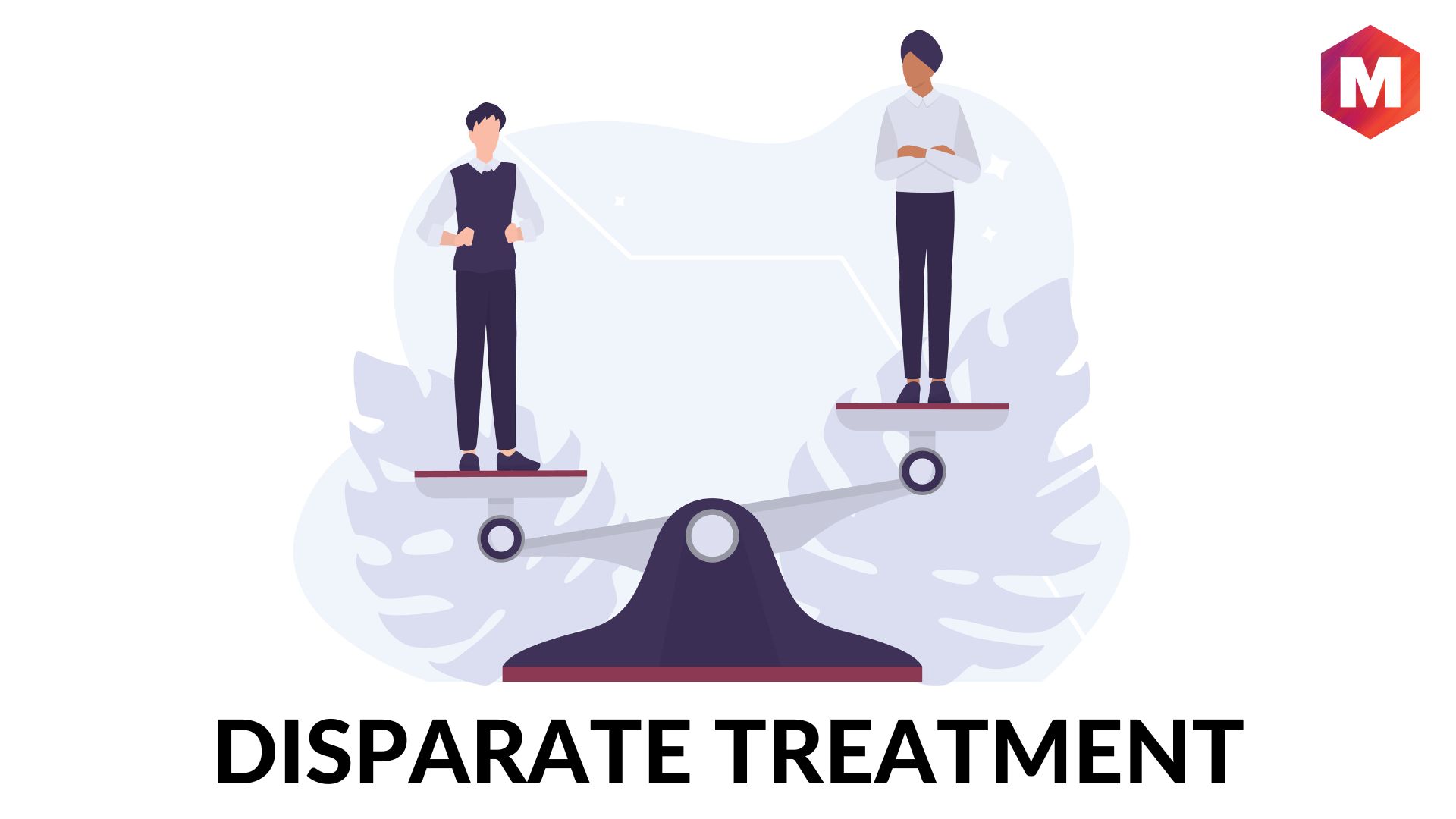
Disparate treatment is a discrimination that occurs when an employer treats an employee or job applicant differently because of their membership in a protected class….
Diversity Management: Meaning, Strategies, Tips and Benefits

What is Diversity Management? Diversity management is the strategic process organizations use to leverage the diversity of their workforce to achieve greater success. Diversity management…
Delayering – Definition, Meaning, Importance and Benefits
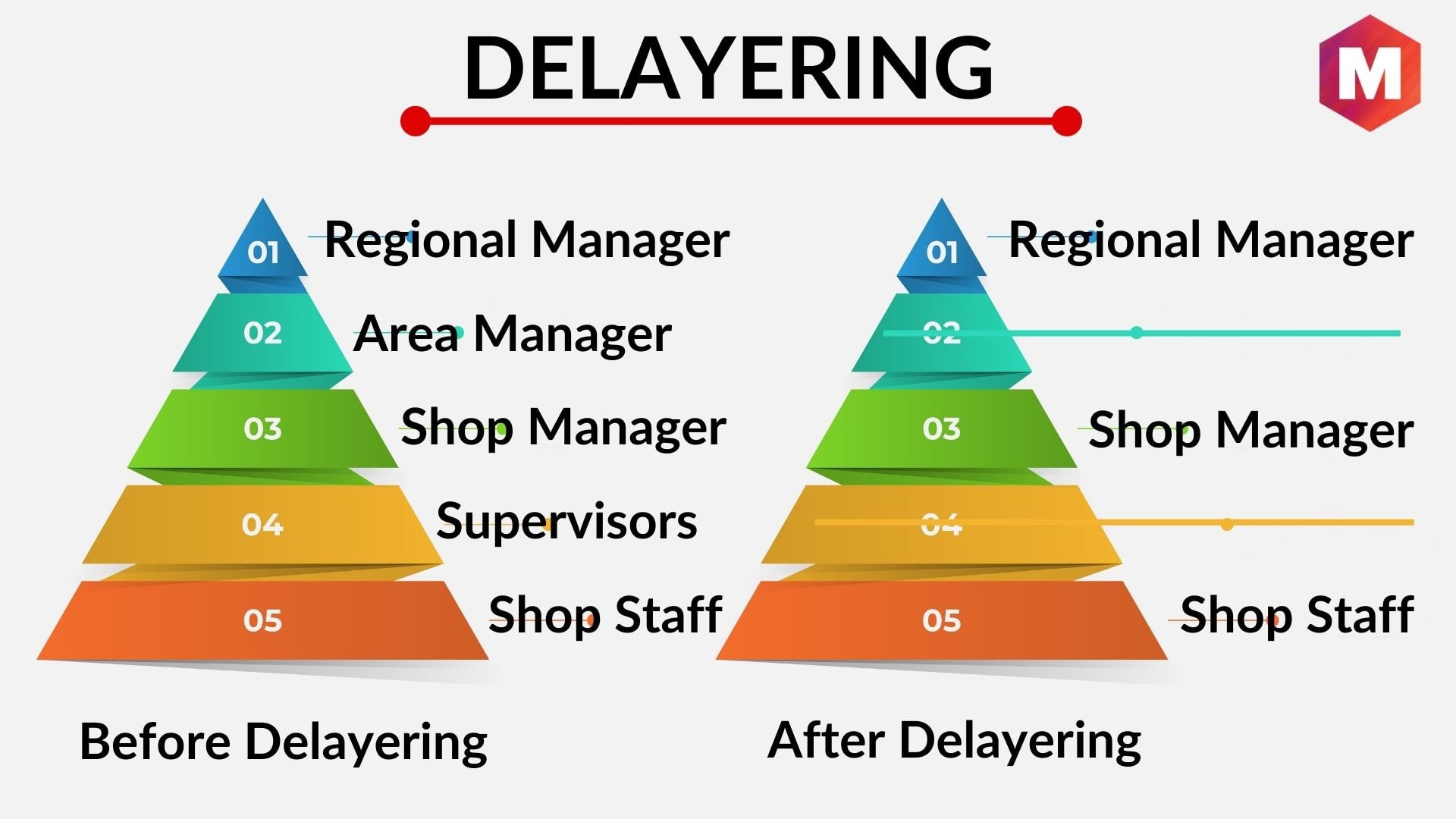
What is Delayering? Delayering is the process of eliminating one or more levels of hierarchy or management layers from an organization’s structure to let the…
What Is a Demotion? Definition, Meaning, Types and Process

What Is a Demotion? Definition: A demotion is a company’s (or sometimes an employee’s) decision to lower an employee’s status, title, and (often) salary or…
Headhunter – Definition, Types and Pros & Cons

A headhunter is a person who finds job candidates on behalf of employers. Headhunters work with businesses to identify and recruit employees for specific positions….
Company Culture – Types, Examples and Benefits

Company culture is the organization’s shared ideals, qualities, and characteristics. It includes the customs and traditions of the company, as well as the behavior of…
Blue Collar Worker – Jobs they do, Qualifications and Importance

A blue-collar worker is a person belonging to the working class of the society, who is mainly involved in manual labor. Blue-collar work involves both skilled…
Buddy System – Definition, Importance and Responsibilities
The buddy system is a knowledge-sharing method used to hire new employees by assigning an existing employee as a buddy to a new employee to…
HR Outsourcing – Overview, Services and Benefits
Curious about what is HR outsourcing, and why industry experts are suggesting outsourcing HR functions as one of the best ways to reduce risks and…
Psychological Contract – Importance, Example & Advantages
A psychological contract is defined as a mutual understanding of the employer and employee about mutual expectations. Explanation The psychological contract is different from a…
Human Resource Strategy – Characteristics & Components

Human resource strategy is referred to the long-term plans of the organization that are created to align the human assets with the business activities. It…
What is Panel Interview? Questions, Mistakes and Tips

Receiving an interview call is always the primary objective of every job seeker, as it enables them to be one step closer to their dream…
What is Back Pay? – Definition, Reasons and Examples

What is Back Pay? Definition: Back pay can be defined as the payment or other benefits like promotion, bonus, pay increase, etc that an employer…
7 Steps to Create an Employee Development Plan

The employee development plan is referred to the action plan that is used by an organization to ensure that the employees are on the right…
Ultimate Guide On Human Resource Management (HRM)
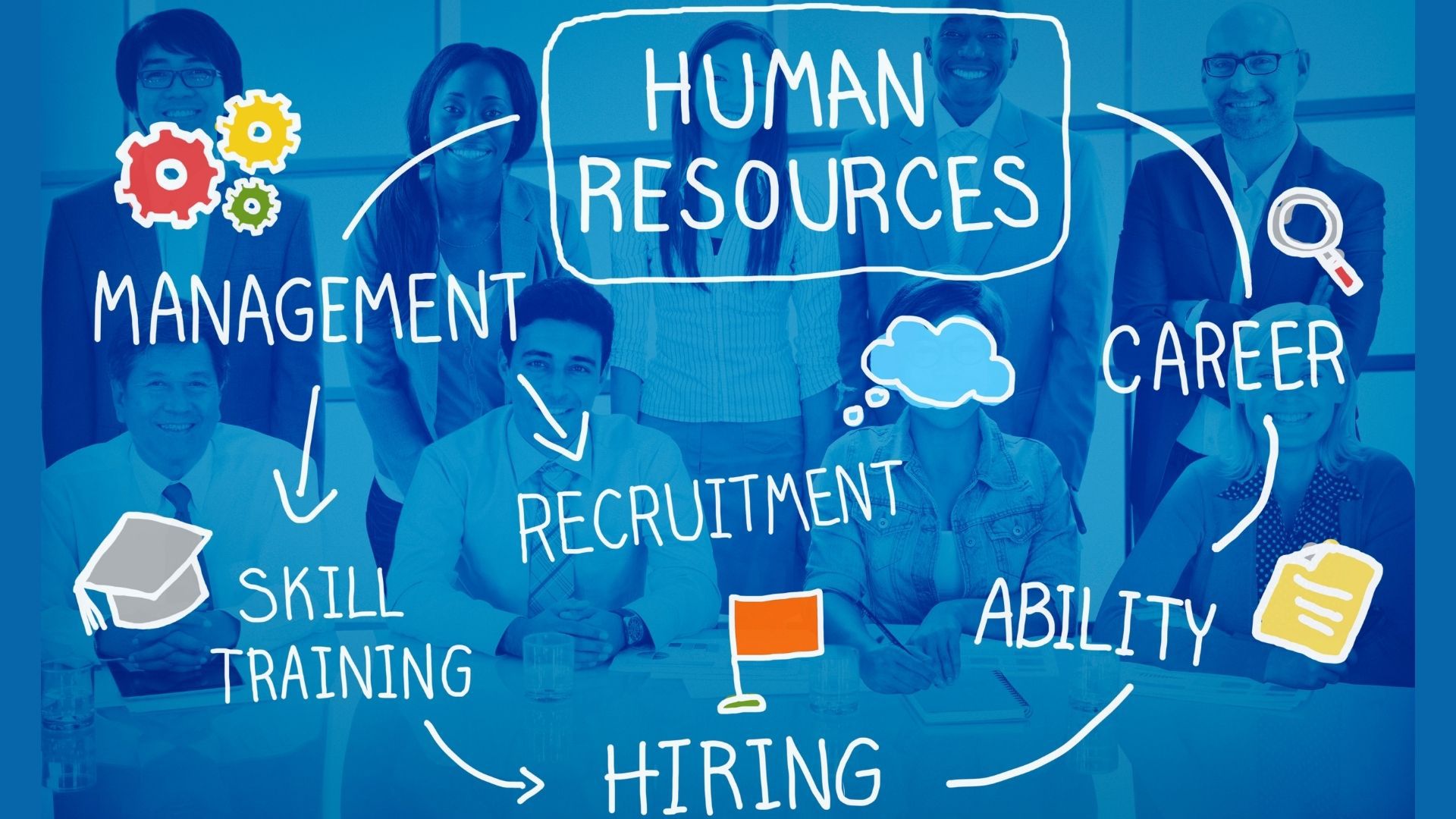
Human resource management is defined as a process of managing employees in an organization so that they help to gain a competitive advantage. It is…
What is Staffing? Definition, Importance, Aspects & Factors

When it comes to an understanding of what is staffing in business and employee management, then it can be understood as the process of finding…
What is Incentive Pay? – Classification, Merits and Demerits

Looking for some effective ways to motivate your employees and ignite their passion? Then incentive pay is one of the most effective ways to engage…
Difference Between Job Description and Job Specification

Outlining of specific skills, qualifications, and characteristics that an individual needs to do a job is job specification. When it comes to applying for a…
Merit Pay – Explanation, Advantages and Disadvantages

Merit Pay or merit-based pay is defined as a payment or a reward that is given to the highest performing worker. Explanation Merit pay is…
Progressive Discipline – Definition, Importance and Steps

Progressive discipline can be defined as a method used in the workplace environment to correct or improve employees’ work performance or their behavior-related issues at…
Verbal Warning In The Workplace – Types and Reasons

As the name suggests, a verbal warning process is a warning that is given verbally to an employee in the workplace because their job performance…
Reverse Culture Shock – Definition, Signs and Stages

Culture shock or reverse culture shock is defined as the disorientation that people feel when adapting or re-adapting to a new or unfamiliar or familiar…
What is Staff Leasing? Definition, Pros & Cons
In today’s dynamic business landscape, effective human resource management is pivotal, and staff leasing is an increasingly popular strategy. Staff leasing, also known as employee…
Pre-Employment Test – Definition, Types and Benefits

The pre-employment test is defined as a standardized way of collecting data and information of the applicants that have applied for a job in the…